Three major oil firms report $36 billion in quarterly profits
ExxonMobil, Shell, and Chevron saw earnings spike as the Iran war pushed Brent crude prices to $113 per barrel.
By Sofia Morales ·
Three major oil companies reported combined quarterly earnings of just over $36 billion on Friday. The surge in profits follows the conflict in Iran, which has disrupted global supply lines and driven fuel prices higher for consumers across Cuyahoga County and the rest of the nation.
ExxonMobil led the group with $15.4 billion in earnings. This figure more than doubled the company's profit from the same period last year. Shell followed with $10.8 billion, nearly doubling its previous results. Chevron reported $9.9 billion, an 180 percent increase from the prior year.
Brent crude oil is currently trading around $113 per barrel. Before the war in Iran began, the price hovered near $70. The sharp increase has not been matched by a rise in demand. Drivers, farmers, and truckers continue to consume similar volumes of gasoline, diesel, and heating oil as they did before the conflict started.
Dan Pickering, founder of Pickering Energy Partners, noted that the disruption in the Middle East has increased the value of oil produced in the U.S., Latin America, and Europe. He stated that the loss in supply from the Middle East generally translates into gains for companies in the Western hemisphere. The executives on the earnings calls indicated that much of this surplus is flowing back to shareholders through dividends and stock buybacks.
Shell announced one of its largest stock buybacks in company history. ExxonMobil declared its highest quarterly dividend on record. Despite the cash influx, Pickering observed that the majors are adopting a wait-and-see approach. They are not aggressively expanding new drilling projects because the high prices are driven by geopolitical events rather than long-term market shifts.
Pickering described the current moment as unusual, advising companies to hold onto cash until the situation stabilizes in 2027. He emphasized that oil is a cyclical industry where firms should preserve capital during price spikes to prepare for downturns. The industry faces a massive supply shock caused by both the war in Iran and Ukrainian strikes on Russian refineries.
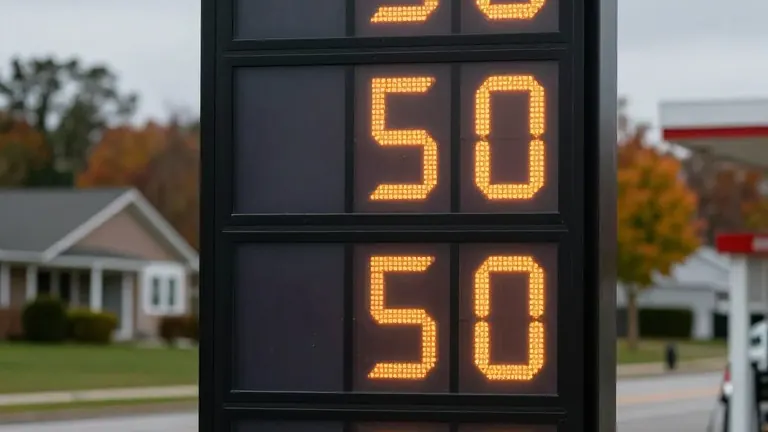
The rising costs have reached consumers at the pump. AAA data shows gasoline prices are approximately $1.20 per gallon higher than a year ago. Diesel hit a record high in September and remains near that peak. ExxonMobil CEO Darren Woods acknowledged the impact on daily life and economic growth. He said his teams maximized production to help keep prices down.
Chevron CEO Mike Wirth made a similar point, telling investors that the company is focused on what it can control to maximize output for consumers. Shell CEO Wael Sawan admitted that he did not anticipate oil prices would reach their current levels just six months ago. He had expected a temporary spike. Instead, global oil reserves are at much lower levels because the conflict has persisted.
The U.S. Strategic Petroleum Reserve is at low levels, and Europe has released portions of its crude and diesel stocks. Sawan noted that inventory levels are being drawn down quickly. It will take a long time to refill these reserves. Democrats in both chambers of Congress have introduced bills this spring calling for a windfall tax on excess profits. Senator Sheldon Whitehouse, who sponsored the Senate bill, said he hopes the tax will also highlight the cost competitiveness of renewable energy.
Isabella Weber, an economist at the University of Massachusetts Amherst, argued that windfall taxes bridge the gap between corporate profits and consumer costs. She described the current scenario as a contradiction where record profits coincide with a severe energy supply crisis. While executives did not mention the tax this week, Exxon's Woods previously called it a misguided policy. The Trump administration has taken steps to lower fuel prices, including loosening rules on dyed diesel and lifting sanctions on Russia. These measures are unlikely to lower U.S. prices significantly before the midterm elections.
Source: WVIZ · original report published
More Business · Cleveland news · Consumer Alerts · Report a business · Got a Story?