Baby boomers control $124 trillion in assets
Attended estate planners gathered in Manhattan to discuss the legal and logistical challenges of the coming wealth transfer.
By Daniel Parker ·
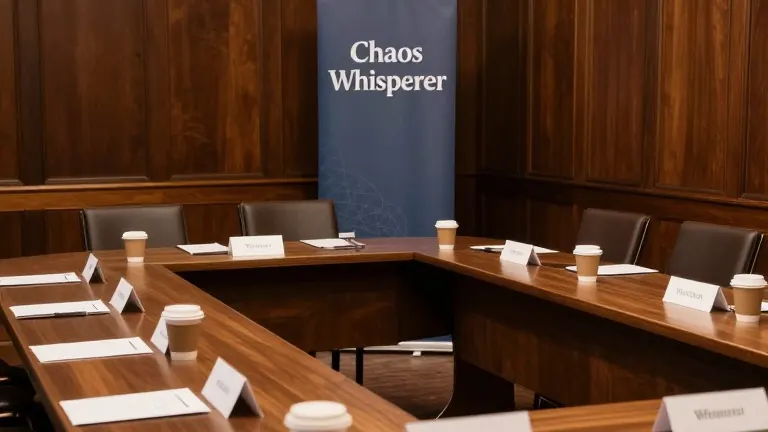
Baby boomers currently hold 52 percent of the wealth in the United States, a pool of assets that some estimates value at 124 trillion dollars. The figure was the backdrop for Estate Planners Day, a workshop held recently at the Union League Club in midtown Manhattan. The event drew approximately 140 attendees, primarily lawyers and financial advisers, to a wood-paneled library converted into an exhibitors hall.
The gathering showcased services designed to handle the complexity of inheritance. Sonya Weisshappel, owner of a firm called Chaos Whisperer, described finding tangible assets hidden in the homes of the deceased. Her team has located life insurance policies worth millions in closets across six homes, a paper bag containing 250,000 dollars in cash, and a first edition of James Joyce's Ulysses in a space described as junk. Weisshappel noted that her clients often overlook physical objects during the appraisal process.
Other booths featured heir finders, companies that locate distant relatives when a person dies without a will. Erin International Heir Search set up a display near a box marked Drop Your Card. Win a Day at Bathhouse. The company uses genealogical databases to trace family trees for estates with no apparent heirs. The firms take a cut of the windfall for facilitating the transfer.
Legal experts presented updates on tax law changes under Donald Trump's One Big Beautiful Bill Act. The legislation made estate transfers, gifts, and generation-skipping trusts under 15 million dollars permanently tax exempt. Generation-skipping trusts allow funds to pass directly to grandchildren, avoiding double taxation. Wealthy individuals are using these tools to create dynasty trusts that can last indefinitely in states like South Dakota or up to 1,000 years in Wyoming.
David Barnard, the chief executive of Luminary, an A.I.-driven estate planning company, opened the panels. He told the crowd that the stakes for estate professionals have never been higher. Barnard stated that the industry provides structure to the messy reality of human life, a task he argued A.I. cannot yet perform. The audience responded with applause.
The increase in contested wills has led to a rise in specialized legal marketing. Michael Trevino, a probate litigator in Texas, markets himself as the Will Contest Guy. He recently won a case involving an allegation of arsenic poisoning. In Pasadena, the Inheritance Recovery Alliance offers no-win-no-fee legal services and refers clients to physical therapists to manage the stress of litigation. A 2026 study by LendingTree found that 43 percent of Americans say their retirement plan depends on receiving an inheritance.
Jacqueline Newman, a divorce lawyer and author, closed the day by advising attendees to discuss prenuptial agreements with their children early. She displayed a cartoon of a mother reading to her daughter and urged the room to start talking to them about prenups in the womb. The event ended with a focus on keeping family wealth within the nuclear unit.
The source noted that New York State courts saw a roughly 350 percent increase in contested estate cases between 2016 and 2019. In Australia's New South Wales, inheritance disputes have tripled since 2005. The High Court in England and Wales recorded its highest number of disputed inheritance cases in history last year.
More Business · Cleveland news · Consumer Alerts · Report a business · Got a Story?