South Korean Education Minister Resigns After AI Anti-Cheating Backlash
Choi Kyo-jin stepped down Sunday after last-minute exam rules sparked nationwide criticism and protests.
By Michael Collins ·
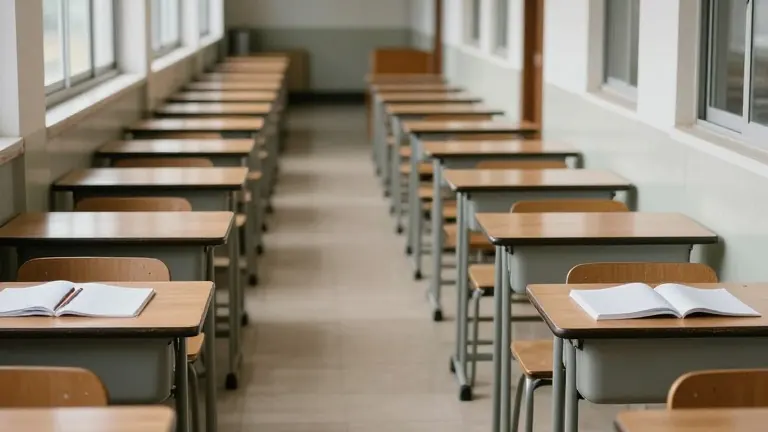
Choi Kyo-jin, the South Korean education minister, announced his resignation on Sunday. He cited public criticism for failing to prepare adequately for new rules meant to stop artificial intelligence cheating during the College Scholastic Ability Test. The ministry introduced the measures on Tuesday, just two days before nearly 500,000 students took the exam.
The new protocols required test-takers to have their glasses inspected, cover shirt buttons to hide cameras, and roll up sleeves. Authorities sent random alerts to cellphones across the country using the emergency alert system, a tool typically reserved for natural disasters. They also deployed additional invigilators who received video training the day before the test and shut down public Wi-Fi near testing centers.
Critics argued the sudden changes increased student anxiety. A high school teacher told Korea JoongAng Daily that students worried about looking suspicious when handling pencils or clothing. Another teacher noted that last-minute adjustments left students more nervous than usual. One student told the New York Times she feared a phone alert would disturb the entire room.
Political leaders and student groups demanded a postponement. Jang Dong-hyeok, leader of the People Power Party, said the exam should not proceed if fairness was not guaranteed. The Reform Party also urged a delay to implement reliable anti-cheating measures. Test-Takers’ Solidarity, an association of seniors, called the rule changes a dereliction of duty in a Nov. 21 statement.
The Korean Federation of Teachers’ Associations had called for Choi’s resignation on Nov. 17. They questioned whether hastily trained supervisors could identify sophisticated AI cheating. A separate group of students planned a December rally to demand better academic integrity measures and delayed admissions announcements.
After the exam proceeded, authorities suspected 111 people of using electronic devices to cheat. Fifty-four were caught through the nationwide phone alerts. President Lee Jae Myung had offered a reward of at least 100 million won for reports of cheaters and warned of criminal charges. The government also proposed legislation to ban cheaters from retaking the exam for up to 10 years.
The controversy follows a year in which the head test maker resigned after complaints about an overly difficult English section. Only 3.11% of test-takers earned the highest grade in that subject. The government is now considering sweeping changes to national exams, including more essay questions and giving universities greater discretion in student selection.
More News · Cleveland news · Report a business · Got a Story?