Army invokes emergency rules to blast unstable chemicals in Iowa
Officials plan to detonate lead azide barrels in Middletown before Tuesday despite a federal court order suspending the permit.
By Michael Collins ·
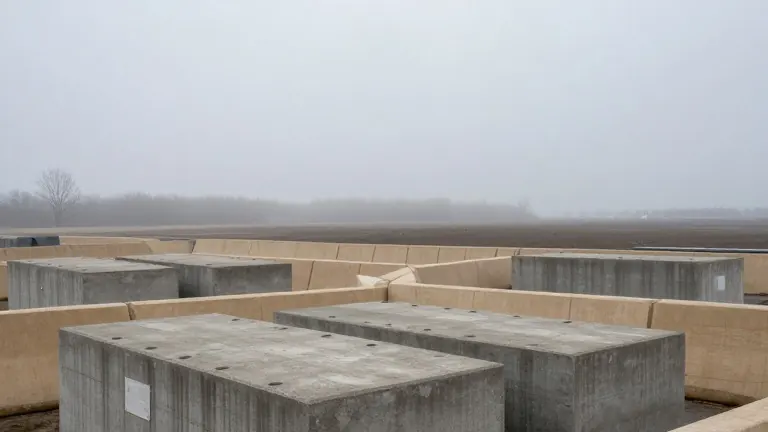
The United States Army intends to invoke emergency provisions to detonate several tons of unstable chemical waste in Iowa, a move designed to bypass a federal court order that had paused the operation. Government lawyers filed a brief with the U.S. Court of Appeals for the Eighth Circuit late Saturday, arguing that delays would increase the danger as winter temperatures approach.
The Army plans to complete the detonation before Tuesday. On Thursday, the appeals court granted a request from environmental groups to suspend the permit for the blast in Middletown, a small town located approximately 257 kilometers southeast of Des Moines. The detonation was originally scheduled for Friday but was pushed to Monday following public concern over health and environmental risks.
In their filing, government attorneys stated that the Army must act quickly to protect its personnel and nearby communities. They argued that federal regulations governing hazardous waste do not apply when an immediate threat to health, safety, or the environment exists. A specialist in explosives and munitions must determine the presence of such an immediate threat.
Officials say the chemicals are unstable and the risk of an uncontrolled explosion is rising because temperatures are forecast to drop below 30 degrees Fahrenheit in the coming days. The materials were discovered in March by staff at the Iowa Army Ammunition Plant. They found several dozen barrels of degraded lead azide, a substance used in munitions production, which had become hazardous due to crystallization.
Environmental groups, including the Iowa Environmental Council, the Sierra Club, and Earthjustice, criticized the emergency measure. They stated in a Sunday release that the Army appeared more focused on circumventing the judicial process than on addressing public demands for transparency and stronger protection.
Earthjustice attorney Thien Chau said the Army failed to adequately consider alternatives such as neutralizing or decomposing the barrel contents. He noted that officials did not share sufficient information with the public until a notice was issued one week prior, alerting communities up to 160 kilometers away for the first time.
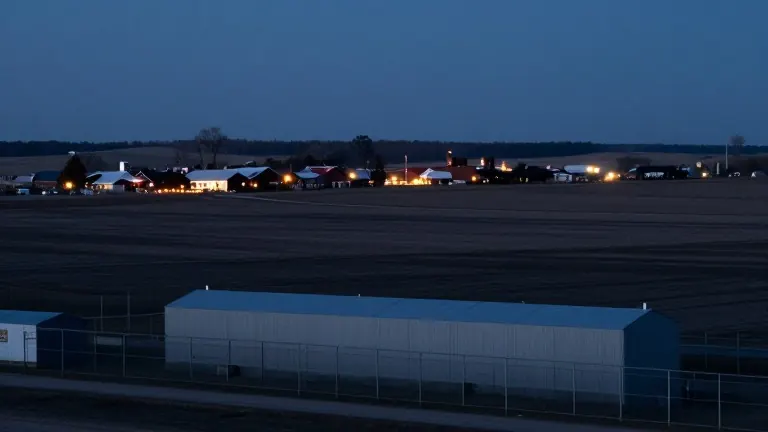
Middletown has a population of nearly 400, but thousands more in surrounding areas may be affected by airborne particles. Authorities advised some residents to leave the area because vibrations from the two planned blasts could shatter old windows. Others were told to stay indoors, keep windows and doors closed, bring pets and livestock inside, and clean cars and exterior surfaces after the event. An official warning notes that the blast will create an air cloud of lead particles that settle on the ground, and lead is toxic to humans and animals.
More News · Cleveland news · Report a business · Got a Story?