Army schedules lead blast at Iowa plant despite court freeze
Officials in Iowa and Illinois brace for a controlled explosion of unstable munitions on Nov. 23, as legal challenges and weather concerns complicate the timeline.
By Sofia Morales ·
The U.S. Army has set a new date to detonate nearly five tons of degraded lead azide at the Iowa Army Ammunition Plant in Middletown. The blast is scheduled for Wednesday, Nov. 23, after a temporary postponement and a legal dispute over the environmental permit.
The chemical compound, used as a detonator in cartridges and shells, was found in 68 drums during a routine inspection in March. The barrels had been stored in underground concrete bunkers for nearly two decades. Army officials stated that moving the material off-site risked accidental detonation, while leaving it in place posed a constant threat of an uncontrolled explosion.
Acting Army Secretary Adam Telle announced the new date on social media. He said discussions with environmental officials and local residents determined that a controlled detonation posed the lowest immediate risk. Telle initially planned the blast for Nov. 20 but moved it to allow for better weather conditions and to ensure all mitigation measures were in place.
The schedule change comes amid a legal battle. On Nov. 19, a federal appeals court ordered a temporary freeze on the EPA permit that authorized the detonation. The Iowa Environmental Council and the Sierra Club filed the suit, arguing the Army did not provide sufficient public notice. On Nov. 21, the Justice Department said it would use emergency powers to bypass the permit requirement, citing the immediate risk of the unstable stockpile.
Middletown is a small city in Des Moines County with a population of nearly 400. It sits about 13 kilometers from the Mississippi River, which separates Iowa from Illinois. The Federal Aviation Administration restricted flights around the area from Monday through Wednesday to keep aircraft away from the blast zone.
Iowa Gov. Kim Reynolds activated a state emergency operations center on Nov. 20. Across the river, Illinois Gov. JB Pritzker said he is pressing agencies for more public information. He noted that residents in the neighboring state are also at risk from airborne lead particles.
Wally Taylor, an attorney for the Sierra Club, said the Army mishandled the situation. He stated that if detonation is the only option, impacted residents must have access to testing and remediation resources. The Army advises residents to evacuate or stay indoors with windows and doors closed. Those who remain should wet-clean surfaces to remove lead dust after the plume passes, which is expected to linger for up to an hour.
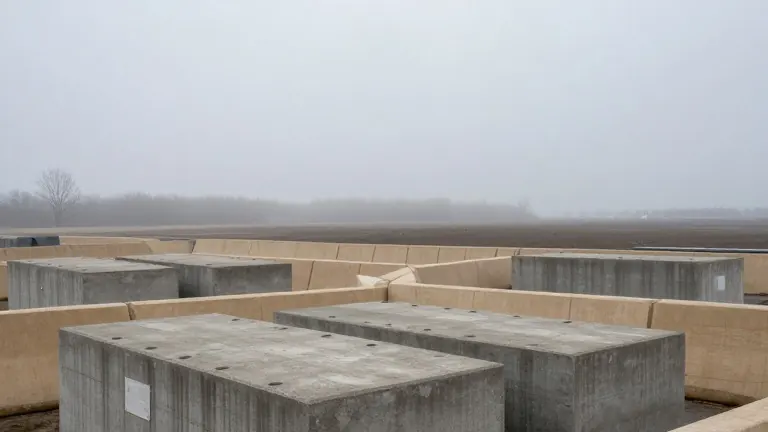
Public Affairs Specialist Justine Barati told a local news station on Nov. 18 that the Army's window for safe disposal is narrowing as winter arrives. She said colder weather could cause the stockpiles to detonate spontaneously. The Army plans to fire two rapid shots inside concrete magazines surrounded by sand-filled barriers. Water misters will spray the area to control the amount of lead particulate released into the air.
A group of Illinois and Iowa lawmakers sent a letter to the Army and EPA on Nov. 19 calling for a postponement. They included Senators Dick Durbin and Tammy Duckworth, as well as Gov. Pritzker. Rob Sand, who will become Iowa's governor in January, said the situation is more dangerous than it should have been due to decisions made over the past year.
More News · Cleveland news · Report a business · Got a Story?