California electricity rates double national average as renewable mandates expand
EIA data shows a widening cost premium linked to the state's requirement for 60% renewable power by 2030, according to Pacific Research Institute analysis.
By Olivia Reed ·
Wayne Winegarden, a senior fellow at the Pacific Research Institute, argues that California's electricity bill reflects the financial weight of the state's Renewable Portfolio Standard rather than just energy generation. He notes that retail pricing trends contradict the common environmentalist claim that regulations lower costs for consumers.
The Energy Information Administration reports that California's electricity prices are currently twice the national average. Before the RPS took effect, the state's premium over the national average sat between 40% and 50%. Winegarden says the gap has widened as the mandated share of alternative energy sources in generation has grown.
State law requires that 60% of California's electricity come from renewable resources by 2030, rising to 100% by 2045. The mandate counts solar and wind as qualifying sources but excludes nuclear power, even though nuclear generates fewer lifetime emissions than solar and matches wind in that metric. Nuclear also provides on-demand power, unlike wind and solar, which depend on weather conditions.
Because wind and solar do not generate power consistently, utilities must maintain expensive backup systems. The California Energy Commission has decided not to renew contracts for three aging natural gas units in Ormond Beach, Alamitos, and Huntington Beach when they expire in December 2026. The preferred replacement is utility-scale lithium-ion battery storage, a technology that faces limitations and fire risks, as seen at the Moss Landing and Gateway facilities.
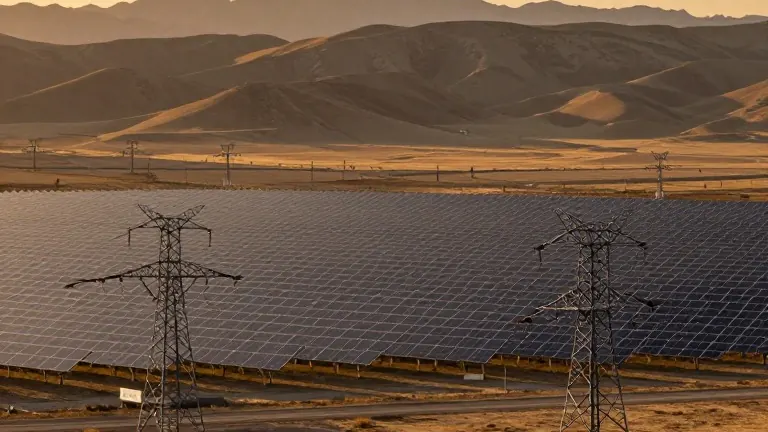
Winegarden says that costs for both gas and battery backup systems eventually appear on customer bills. He argues that advocates who call wind and solar competitively priced often overlook these additional infrastructure expenses. Transmission infrastructure presents a separate financial challenge, as solar and wind projects are frequently sited far from consumer demand, requiring extensive line construction and maintenance.
Longer transmission lines through fire-prone areas can increase ignition risks if not hardened or managed properly. Winegarden also points to the cost of Renewable Energy Credits, which utilities must buy to track compliance. California restricts which credits can be purchased, a policy that may obstruct interstate commerce and has prompted West Virginia to sue Pennsylvania over similar rules.
Source: Pasadena Star-News
More Business · Consumer Alerts · Report a business · Got a Story?