Council rejects $1.1M Browns stadium repair bill
City finance director warns the vote to withhold emergency funding from Haslam Sports Group could raise borrowing costs for Cleveland.
By Olivia Reed ·
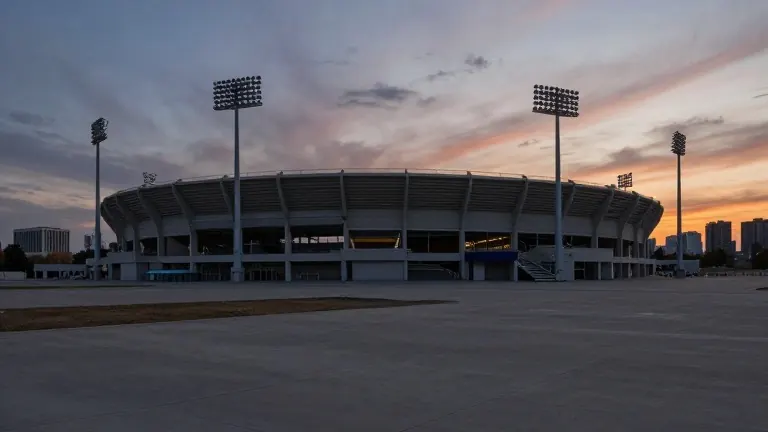
Cleveland City Council voted 7-6 on Monday to reject a $1.1 million bill for emergency repairs at Huntington Bank Field. The refusal marks a sharp break in the relationship between the city and the Cleveland Browns, who own the team but lease the stadium from the municipality. The rejected funding was designated for fixing deteriorating concrete, an electrical hazard, a broken overhead door, failing pipe insulation, and wastewater system issues.
The decision stems from long-standing tensions over the Browns' plan to build a new stadium in Brook Park. Council members have debated whether to send money to the Haslam family while the team prepares to leave the lakefront. Councilman Brian Kazy argued that voters in his district expect the city to stand firm against the sports group. He told colleagues that he wished someone had the courage to tell the team owners that the city is not paying a dime and would see them in court.
City officials have warned that ignoring the lease terms carries financial risks beyond a simple lawsuit. Paul Barrett, the city's finance director, told the finance committee that disregarding a contract could lead to a downgrade in Cleveland's credit ratings. Such a downgrade would result in higher interest rates on future debt, making capital projects across the city more expensive. Eric Chaffee, a law professor at Case Western Reserve University, noted that uncertainty about the city's ability to honor commitments could reduce its leverage in future business negotiations, particularly regarding lakefront redevelopment.
The funding for these repairs is drawn from Cuyahoga County sin tax funds. This tax on alcohol and cigarette sales is dedicated to the upkeep of Progressive Field, Rocket Arena, and Huntington Bank Field. Cleveland's share of the revenue can only be applied to the lakefront stadium. Councilman Tanmay Shah, who voted against the payment, stated he was willing to accept the risk of a credit rating downgrade to send a message to the team owners.
The vote split the council along ideological lines. Council President Blaine Griffin, Deborah Gray, Kris Harsh, Austin Davis, Kevin Conwell, and Charles Slife voted in favor of the payment. Krish Harsh described the debate as a clash between ideology and pragmatism, arguing that it is the city's responsibility to maintain the facility it owns. Councilman Mike Polensek, who voted against the bill, cited his upbringing in Glenville and Collinwood as the reason for his stance. Jasmin Santana and Joe Jones were absent from the session.
Three paths remain for the city to address the unpaid debt. Council could reconsider the legislation at its November 9 meeting, though only the 13 members who voted on Monday would be eligible to vote again. Mayor Justin Bibb's administration could reintroduce the bill for a full council vote. Alternatively, the city could wait to see if the Browns decide to sue for the money.
Haslam Sports Group expressed hope in a written statement that the council will reconsider the vote. A spokesman for the group said the team remains focused on providing a good experience for fans during the final seasons on the lakefront. The lease for the current stadium ends in early 2029, with two one-year extension options available if the team needs more time to finish its Brook Park project.
Source: News 5 Cleveland (WEWS) · original report published
More News · Cleveland news · Report a business · Got a Story?