Ukraine blames Starlink for drone delays, Musk cites terms violation
A week of restricted satellite service halted Ukrainian military operations before full restoration on Oct. 24.
By Daniel Parker ·
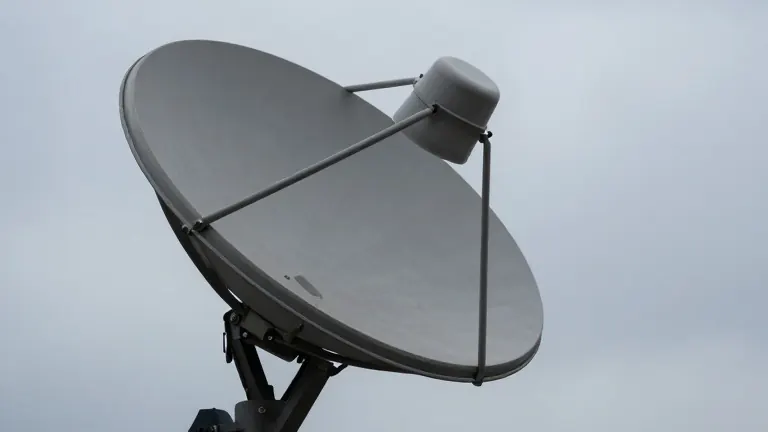
SpaceX CEO Elon Musk stated on the weekend that the Ukrainian military broke Starlink's terms of service by using the commercial network for offensive drone strikes. SpaceX restricted access to the service to close that loophole, according to Musk. Ukrainian officials rejected the explanation, calling the claim strange given known operational limits.
The disruption began Oct. 14, when Ukrainian officials reported that restricted satellite communications were interfering with drone operations. The throttled connection forced the cancellation of several missions during a period of daily Russian air attacks. The restrictions also impacted Starshield, a military-grade communication service supplied through U.S. government contracts that uses Starlink technology.
Ukraine's Defense Ministry announced on Oct. 24 that both Starlink and Starshield services were fully restored. The ministry reported that connections remained stable even when terminals moved at speeds above 400 km/h. Defense Minister Yevheniy Khmara called the stable connection vital for the front line, military personnel, drones, and logistics.
The cause of the initial interruption was not clarified when the service returned. Musk maintains that the U.S. government controls changes to Starshield. This left questions about who authorized the restrictions and why. President Donald Trump declined to identify the decision-makers, though a Reuters report from Oct. 15 cited multiple officials who said the order came from inside the White House. A senior U.S. official denied that Trump personally authorized the move, according to that report.
Musk detailed his reasoning in a social media post on Oct. 24. He wrote that Ukraine used Starlink, a civilian commercial service, for offensive drone strikes to kill people. "Using Starlink, a civilian commercial service, for offensive drone strikes to kill people has never been allowed, nor should it be," Musk said. He added that the loophole was closed last week and that Starlink remains critical to Ukraine's defense but cannot be used for offensive operations.
Ukrainian Defense technology adviser Serhii Beskrestnov disputed Musk's account in a Telegram post. Beskrestnov stated that operational and speed restrictions make it "physically impossible" for the military to use Starlink for medium- or deep-range offensive strikes. He noted that Starlink does not function over Russian territory, making it difficult for the military to use the network for deep attacks.
Alex Crowther, an adjunct professor at Florida International University, said the dispute raises questions about authority. "Nobody knows the rules right now," Crowther said. He questioned whether Starlink, Starshield, Musk, Secretary of Defense Pete Hegseth, or Trump has the final say on access to the service.
Lance Hunter, a professor of political science at Augusta University, said the situation highlights the difference between buying weapons and relying on technology services. In traditional arms deals, a government owns the equipment it purchases. "You own it at that point. You have control over it," Hunter said. The relationship with SpaceX is different because Ukraine remains dependent on the company for continued access to the technology.
Hunter said Starlink holds a monopoly on the speed, availability, and flexibility of its satellite network. He noted that Ukraine cannot easily diversify its suppliers in the short term. "It takes a lot of time. It takes a lot of resources," Hunter said. European private companies and governments do not currently offer comparable technology.
Ukraine's dependence on U.S. suppliers extends beyond satellite communications. President Volodymyr Zelensky said on Oct. 26 that Ukraine had waited nearly a month for Hegseth to approve supplies of missiles for its Patriot and NASAMS air-defense systems. This delay has left the country vulnerable to shortages and delays in critical air-defense weapons.
Trump recently strained relations with Zelensky by blaming Ukrainian strikes on Russian oil refineries for rising global fuel prices. On Oct. 15, Trump said Zelensky was "more difficult to deal with" than Russian President Vladimir Putin. On Oct. 19, Trump suggested it was "time for somebody else to negotiate on behalf of Ukraine."
Source: Time · original report published