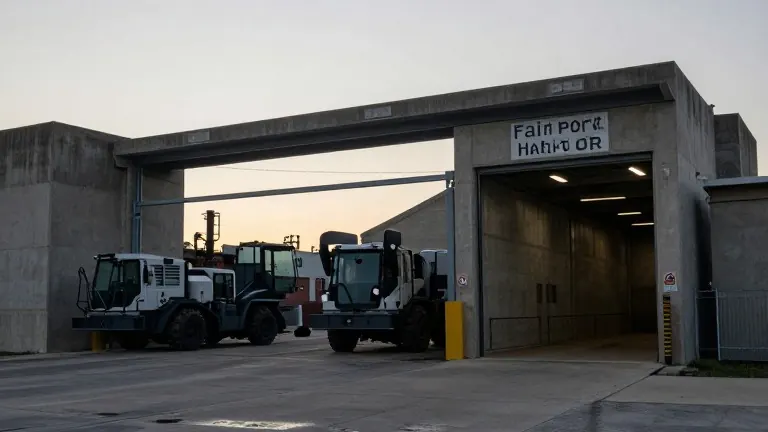
Hormuz shutdown forces energy strategy shift
New data shows policy outpacing market adoption in 16 nations as leaders prepare for COP31.
By Sofia Morales ·
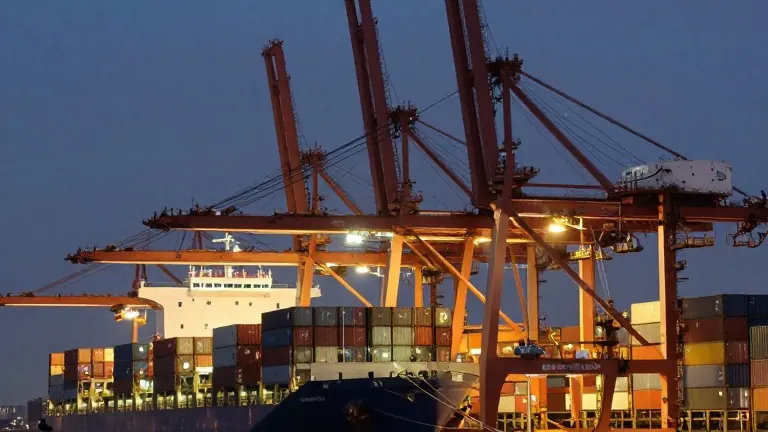
Shipping through the Strait of Hormuz stopped completely in March. That halt forced energy importers to confront a hard reality. Countries that buy fuel cargo by cargo import every price shock with it. The response to this vulnerability will shape where factories are built and which nations manufacture key technologies.
A new analysis by the We Mean Business Coalition, published on October 27, examines electrification across 16 countries. The study reveals uneven progress in this transformation. The United States is increasing domestic oil and gas production. China is rapidly electrifying its economy and consolidating its lead in electric technology manufacturing.
Other nations are moving in a similar direction. France plans to raise electricity's share of final energy from 27% to 38% by 2035. Canada aims to double its electricity supply by 2050. Europe intends to become the world's first electro-continent. These decisions define which countries emerge as electrostates capable of controlling future economies.
The Electrification Competitiveness Index maps two dimensions. It measures the deployment of electric technologies and the policies supporting them. Across the 16 economies studied, the median score for enabling conditions is 67%. The median score for deployment and market conditions is 45%. This gap shows that policy is running ahead of the market in most countries.
China scores highest on deployment. It has extensive electric vehicle adoption and an industrial base that produces much of the equipment needed for electrification. The country manufactures more than 80% of global battery cells. Electricity's share of China's final energy consumption has doubled since 2005. Although 54% of its electricity still comes from coal, the plan is to replace that with clean power.
Europe is trying to revive industrial competitiveness while reducing exposure to imported fossil fuels. Brussels wants to double electricity's share of final energy to 46% by 2040. That share has been stuck at around 23% for a decade. In Britain, industrial electricity costs over five times as much as gas per unit of energy. Factories in Germany and the U.K. face grid-connection constraints.
France and Spain are better positioned with more favorable electricity prices. Across Europe, the challenge is turning policy frameworks into commercially viable investment. Businesses weighing where to build factories must consider electricity costs and grid access. If electrification remains expensive, businesses may postpone modernization or invest in fossil-fuel equipment.
In the United States, existing deployment provides a foundation. However, policy reversals and infrastructure constraints raise questions about momentum. More than two terawatts of generation and storage are waiting in interconnection queues. Washington's focus on expanding fossil-fuel production risks leaving American manufacturers competing in a market driven by demand elsewhere.
Developing economies see electrification as a chance to build modern systems without replicating fossil-fuel infrastructure. Ethiopia shows rapid electric vehicle adoption despite electricity reaching only around 60% of its population. Indonesia, the Philippines, and South Africa face barriers including limited grid investment. These countries risk investing scarce capital in infrastructure that may become expensive to operate.
Source: Time · original report published