
Common Scams to Avoid: From Fake Grandpas to Bank Robberies
A list of ten deceptive tactics, ranging from doorbell tricks to tennis ball setups, offers guidance on how to spot and avoid everyday cons.
By Sofia Morales ·
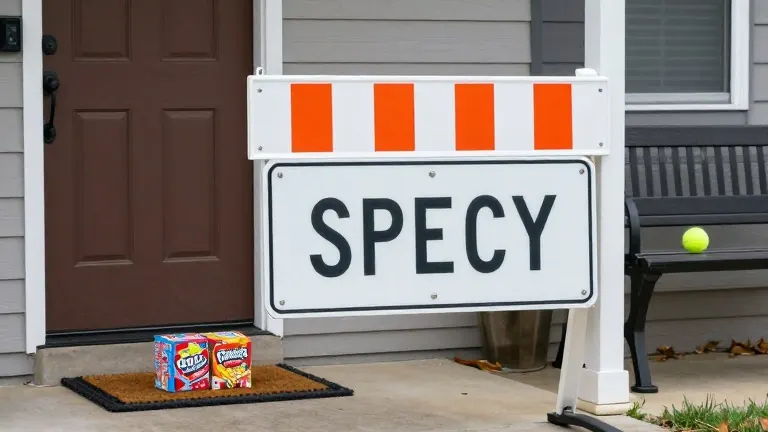
The New Yorker published a list of ten common scams on November 2, 2026, providing a guide for readers to identify and avoid deceptive situations. The article breaks down specific scenarios, from interactions at the front door to financial tricks, and offers concrete advice for each. Each entry describes the setup, the red flags, and the recommended response to limit losses.
The first scenario involves a man claiming to be a relative at the door. He holds a box of candy and insists you invited him to dinner. The article advises checking if the person truly looks and smells like the relative. If something seems off, the recommendation is to grab the candy, say, “Nice try, Gramps!,” and close the door. If the person continues to ring the bell, call the police. The guide notes that even if you did invite him, it may still have been a scam.
A driving scam involves a sudden barricade with a “Bridge Out” sign. The sign appears to be real, but it was not there before. The scammers profit when drivers turn around and go back. The recommended action is to drive around the barricade rather than retreating.
In a social scenario, an old friend calls to meet for beers. The friend spends two hours discussing a divorce and uncertainty. The article describes this as a mistake to go, noting that there is no way to get the two hours back. The time spent listening is considered the cost of the scam.
The tennis ball scam occurs at a park. A dog jumps and urges you to throw a ball. Once you throw it, you realize you have been scammed. Even if the dog brings the ball back, it sets up another round. The guide notes that dogs often target lonely people, such as the elderly or singles. It suggests getting a teenager instead, as they will not be excited by the ball.
A “Help Wanted” sign can also be a trap. If you are in a good mood and walk in to offer help, you may end up working. The article describes being hired for a job, mopping the floor, and watching the clock for quitting time as the result of this trick.
The pretty woman scam starts online. A woman with misspelled words in her messages sends a photo of herself looking young and pretty. She proposes meeting at a park for tennis and asks you to bring a pack of tennis balls. When you arrive, it is not a woman but your dog. The dog grabs the balls and runs off.
A free ticket scam involves a friend offering a box-seat ticket to a Yankees game. The friend says he cannot go and claims the ticket is free. He adds that it is a championship game to increase the appeal. You attend the game, but the Yankees lose. The article concludes that the friend is not a very good one.
In a bank scam, a high school friend calls to rob a bank and asks you to drive the getaway car. You agree, and the robbery is successful. When you ask for your share, the friend pulls out a gun. You point out that the gun is not your share. After a few minutes with the gun pointed at you, you realize you have been scammed.
A jury duty scam sends a notice that you skipped duty and owe a fine. You check the dates and find you were in the courtroom that day because you were on trial. The final entry describes a fake kidnapping. You call your grandfather and say kidnappers want a thousand dollars in a box at a street corner. He agrees. The next morning, you realize you were just drunk and tangled in ropes. You and your grandfather go to the corner, but the box with the money is gone.
Source: The New Yorker · original report published
More News · Cleveland news · Report a business · Got a Story?