England to use scorecards to flag sick kids in ERs
A new scoring system for vital signs aims to reduce delays in pediatric emergency care ahead of the winter season.
By Daniel Parker ·
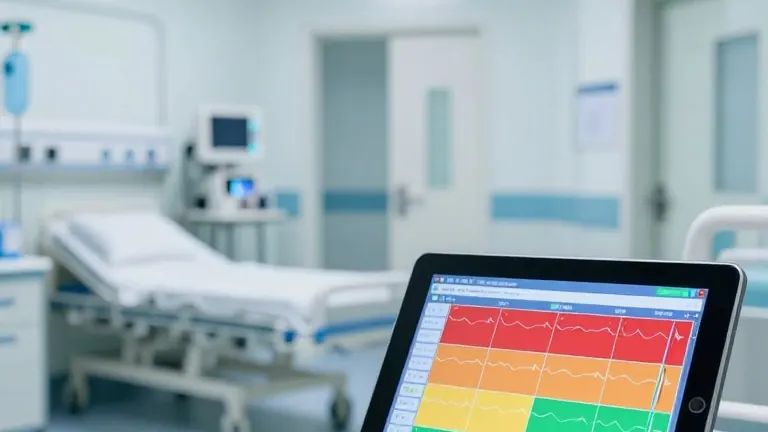
More than 90 hospitals across England are already using a specific alert system to monitor children in inpatient wards. The National Health Service will now extend this tool to emergency departments nationwide. The system, known as the National Paediatric Early Warning System, requires staff to record and grade vital signs such as heart rate, blood pressure, and oxygen levels. A high total score indicates that a child needs more urgent medical attention.
The rollout comes as Health Secretary Yvette Cooper works to address long wait times in emergency rooms. Cooper promised to end the practice of treating patients in corridors. She recently discussed the case of Finlay Roberts, a two-year-old who died in 2024 after waiting in a hospital corridor. Cooper apologized to the boy's parents on behalf of the NHS. She stated, "No child should be treated in a corridor. No patient should be treated in a corridor."
Whittington Health NHS Trust, where Finlay waited for care, sent its condolences to the family. The trust acknowledged that it faces periods of high demand. It noted that patients sometimes receive care in temporary clinical areas, including hallways, when space is limited. The new system is designed to help staff identify deteriorating patients before conditions become critical.
The approach mirrors a system already used for adults with severe illnesses like sepsis. The pediatric version includes age-appropriate assessments for patients ranging from infants to teenagers. If staff, parents, or the child express concern, the system triggers an immediate escalation of care. This process is intended to ensure that worsening symptoms are not overlooked in busy emergency units.
The NHS also plans to expand Martha's Rule to all emergency departments in England. This rule allows patients and families to request a rapid review if they feel their concerns are being ignored. The initiative is named after Martha Mills, who died at age 13 in 2021 from sepsis following a bicycle accident. A coroner ruled that her family's warnings were not heeded and that earlier intensive care would likely have saved her life.
Martha's parents, Merope and Paul, proposed the rule to change hospital culture. Emergency departments will have a dedicated phone line for triggering urgent reviews. Duncan Burton, the chief nursing officer for England, described the new system as a key step for this winter. He said the standardized method helps staff spot warning signs quickly and make timely decisions.
The PEWS initiative is a joint effort between NHS England, the Royal College of Paediatrics and Child Health, and the Royal College of Nursing. It aims to standardize how emergency staff communicate concerns and escalate care for young patients.
Source: Casualty