Spanish Transport Minister Steps Down After Madrid Train Crash
Óscar Puente resigns six days after a collision killed 69 people, citing the second major incident on the Madrid-Sevilla line this year.
By Daniel Parker ·
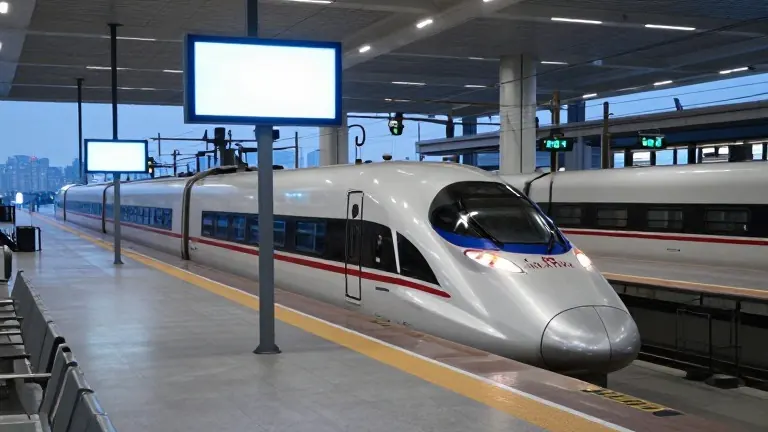
Spanish Transport Minister Óscar Puente announced his resignation on Tuesday, ending his tenure six days after a high-speed train collision in southern Madrid killed at least 69 people. The decision came at the close of a multi-hour parliamentary hearing where lawmakers reviewed the sequence of events leading to the crash.
The October 28 disaster occurred when a moving high-speed train struck another train that was already stopped on the tracks. Investigators noted that the chain of events began with a critical failure in the communication system that supports safety operations on the Madrid-Sevilla line. Madrid-based traffic controllers assumed command and cleared one train to proceed, unaware that another train was halted further down the line.
This marks the second major incident on the network in 2026. In January, a train derailed and collided with another traveling in the opposite direction more than two hours south along the same route. That crash resulted in 46 deaths and remains under investigation. Until this year, the network had avoided fatal accidents for more than three decades since its launch.
Puente argued that a transport minister cannot remain in office after two accidents of this severity within less than a year. He described the resignation as a matter of political dignity, coherence, and empathy toward the victims. His remarks came four weeks before scheduled national elections, a timing that has intensified scrutiny of the rail system's safety record.
Alongside his departure, Puente outlined immediate safety measures for the rail network. These include upgrades to control center conditions and an accelerated deployment of the European Railway Traffic Management System for standardized safety and signaling. The high-speed network, the second largest in the world after China's, has faced renewed concern over its infrastructure reliability following these two collisions.
The minister stated that the changes aim to prevent similar failures in the communication and control systems that contributed to the October crash. The parliamentary commission will continue to analyze the specific technical errors and human decisions involved in the collision as the investigation proceeds.
Source: KUAN-LD