Ohio Senate race joins 12 others in fight for 35 seats
Voters in Cuyahoga County face a ballot with a special Senate race for the remainder of JD Vance's term, alongside the governorship and all House seats, as the nation decides who controls Congress.
By Sofia Morales ·
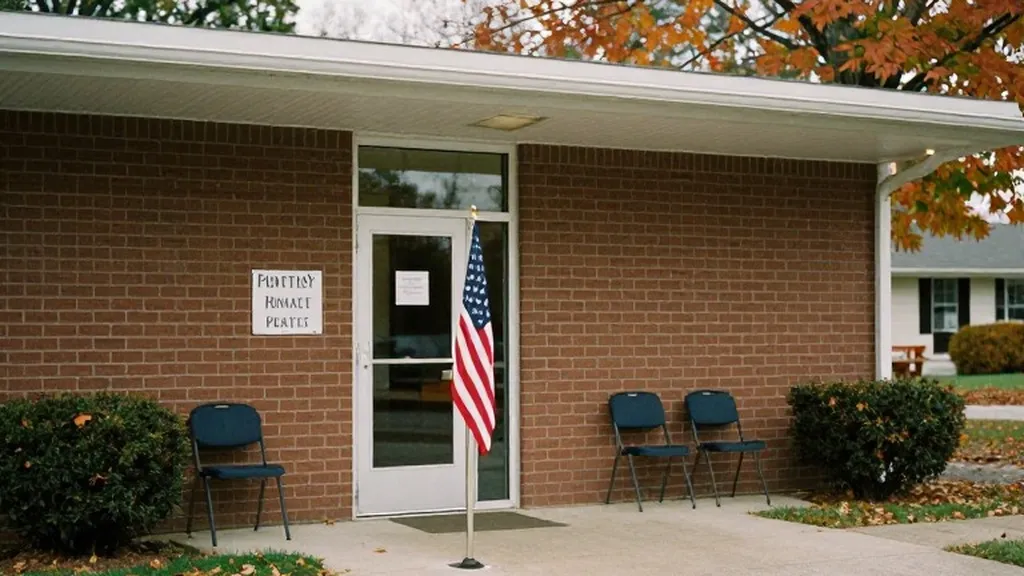
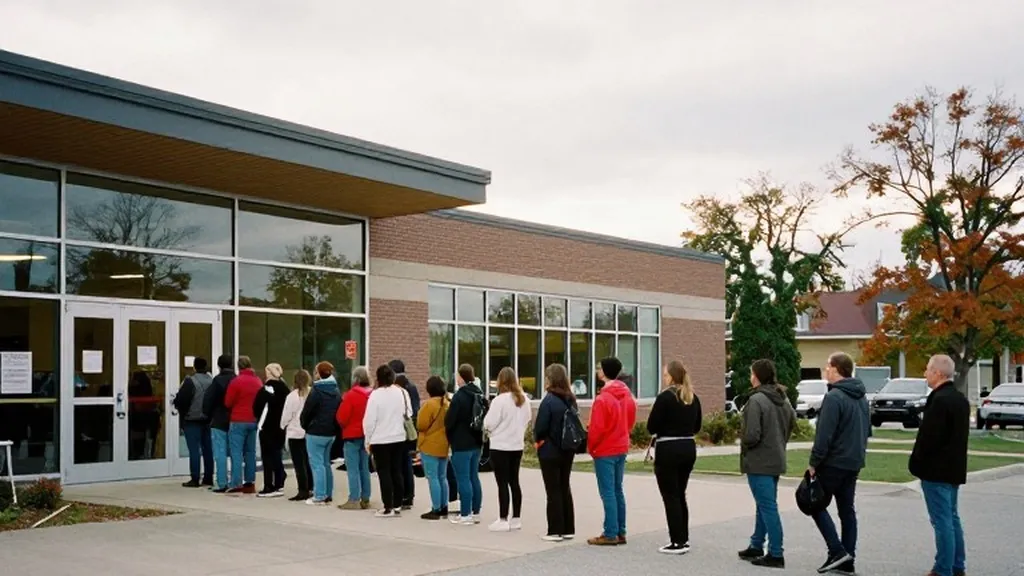
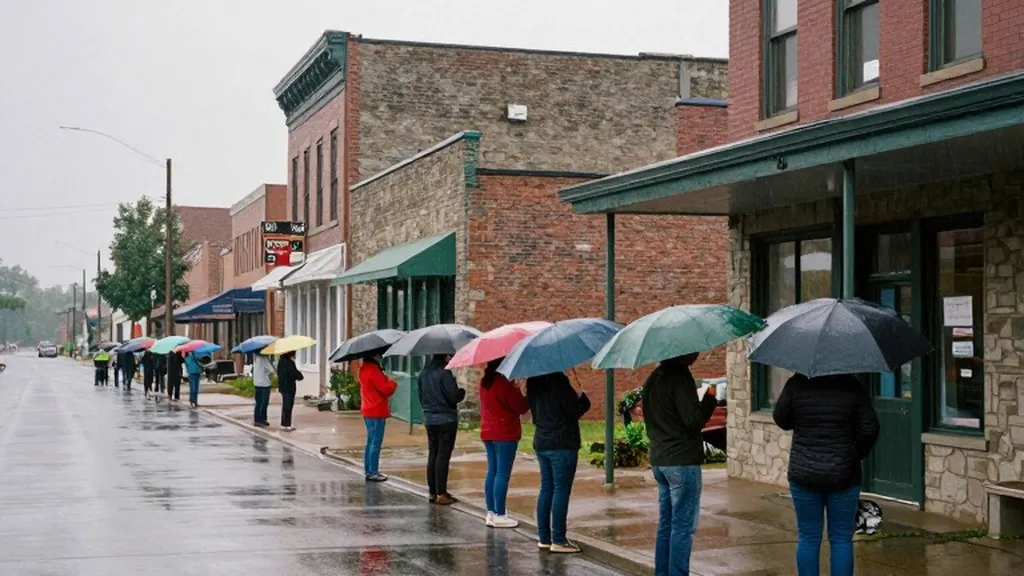
Residents of Cuyahoga County, including those in Cleveland, Parma, Lakewood, Euclid, Strongsville, and Cleveland Heights, are heading to the polls Tuesday, November 3, 2026. According to Ballotpedia, voting in Ohio begins at 6:30 a.m. and concludes at 7:30 p.m. local time. Voters can locate their specific polling place by visiting vote.gov or contacting their state election office. Anyone present in line when the polls close is entitled to cast a ballot.
Ohio voters are deciding a special election for the remainder of the U.S. Senate term previously held by Vice President JD Vance. The Associated Press identifies this race as one of 13 battlegrounds nationwide. The current incumbent, Republican Sen. Jon Husted, is seeking to retain the seat. He faces Democratic former Sen. Sherrod Brown in a contest where the 2024 presidential margin saw Donald Trump win by 11.2 percentage points. This special election determines who will finish the term that began in 2022.
Also on the Ohio ballot is the governorship, an open seat with no incumbent running. Republican Vivek Ramaswamy is competing against Democrat Amy Acton. The Associated Press notes that Ramaswamy's campaign recently faced backlash over an advertisement featuring Acton's estranged mother. Additionally, every U.S. House seat in the state is up for election, along with state and local offices and measures that vary by county. Ballotpedia indicates that Ohio is also using a new congressional map for this cycle.
Nationally, the midterm election determines which party controls Congress for the final two years of President Donald Trump's second term. Thirty-five of the 100 Senate seats are up for grabs. This includes 33 regular elections and two special elections for the remaining terms of Marco Rubio in Florida and JD Vance in Ohio. Republicans currently hold 53 seats, while Democrats hold 45, plus two independents who caucus with the Democrats. To achieve a majority, Democrats need a net gain of four seats. Republicans can afford to lose only two seats to maintain their current advantage.
The Associated Press and other outlets have identified 13 Senate races as battlegrounds. These include Alaska, Florida, Georgia, Iowa, Kansas, Maine, Michigan, Montana, Nebraska, New Hampshire, North Carolina, Ohio, and Texas. In Maine, Democrat Troy Jackson is challenging Republican incumbent Susan Collins. In Michigan, Democrat Abdul El-Sayed is running against Republican former Rep. Mike Rogers. El-Sayed's former primary opponent, Haley Stevens, endorsed Rogers on Sunday. In Texas, Republican Attorney General Ken Paxton, who received Trump's backing in the primary, is facing Democrat James Talarico.
Polling data from the AP-NORC center indicates that 35 percent of U.S. adults approve of Trump's job performance. Only 25 percent approve of his handling of the economy. About seven in 10 respondents say the country is heading in the wrong direction, with most blaming the president for high prices. The Associated Press describes the election as a referendum on the second term, noting that voters are struggling with costs and an unpopular war with Iran. More than 57 million people had already voted as of Monday, surpassing early vote totals from four years ago in many closely watched states.
The financial scale of the 2026 elections is expected to be the highest in history. Republican committees have outraised and outspent their Democratic counterparts, aided by Trump-affiliated groups and Elon Musk. However, at the candidate level, Democrats have outraised their opponents. An AP analysis of AdImpact data shows that 88.1 percent of Republican general election TV ad spending went to states and districts that Trump won in 2024. This included more than 850 million dollars in states where he won by 10 points or more. Democrats are described as cautiously optimistic, while Republicans are bracing for potential losses in the House.
Election administration has seen legal interventions this week. A federal judge temporarily barred the Trump administration from implementing a plan to prevent noncitizen voting on Monday. Critics argue this risks disenfranchising eligible voters and infringes on state authority. In California, a judge ordered the administration to stop demanding that election officials segregate ballots cast by people on lists of suspected noncitizens. The U.S. Postal Service has added hours, staff, and special lines to ensure mail ballots are counted on time. The Justice Department has threatened to prosecute local election officials, a move that has raised fears of interference among Democrats.
The stakes of the election extend beyond simple seat counts. If Democrats win even one chamber, investigations and possible impeachment proceedings become likely. House Democratic Leader Hakeem Jeffries, who would be the first Black speaker if Democrats take the House, has outlined a 100-day agenda focused on the cost of living and oversight. A strong Democratic night could also boost potential 2028 candidates such as Gavin Newsom, JB Pritzker, and Pete Buttigieg. Republicans have attempted to beat the historical midterm pattern of losing seats through redistricting, but new districts in states like Florida may not vote as originally drawn.
In the House, all 435 seats are up for election. Republicans currently hold 218 seats, while Democrats hold 214. Democrats need a net gain of three districts to achieve a majority. Ballotpedia counts 46 battleground districts in the House race. The results of these elections will determine the balance of power in Washington beginning January 3, 2027. Voters in Cuyahoga County will also be deciding on local municipal government positions and ballot measures, including Issue 3, which seeks to require photo identification to vote.
The mood among voters is mixed, with opinions sharply divided. RNC Chairman Joe Gruters stated that everything depends on turnout. DCCC Chair Rep. Suzan DelBene said the American people are angry and want change. In Palm Beach Gardens, Florida, voter Mark Barker said he has been following Trump and believes he is doing an awesome job. In Raleigh, North Carolina, voter James Moore, a 57-year-old librarian, cited higher taxes and healthcare costs as key factors in his decision. The election serves as a direct test of the president's popularity and the effectiveness of his administration's policies.