Cuyahoga County voters weigh Ohio Senate race and national Senate stakes
Polls in Cuyahoga County close at 7:30 p.m. today as Ohioans select a senator to fill the seat vacated by JD Vance, while voters in ten other states decide closely watched contests that could determine control of the U.S. Senate.
By Daniel Parker ·
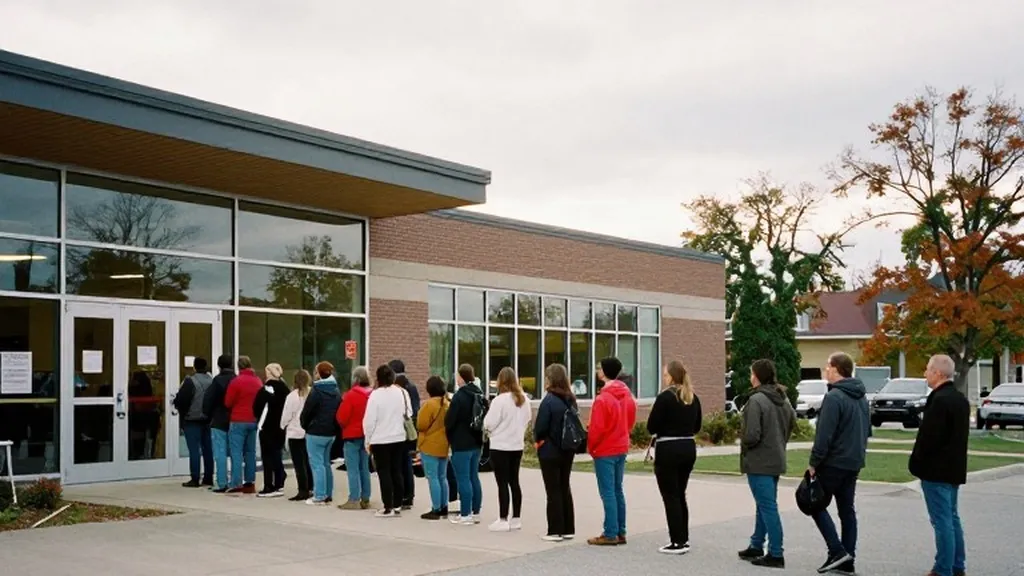
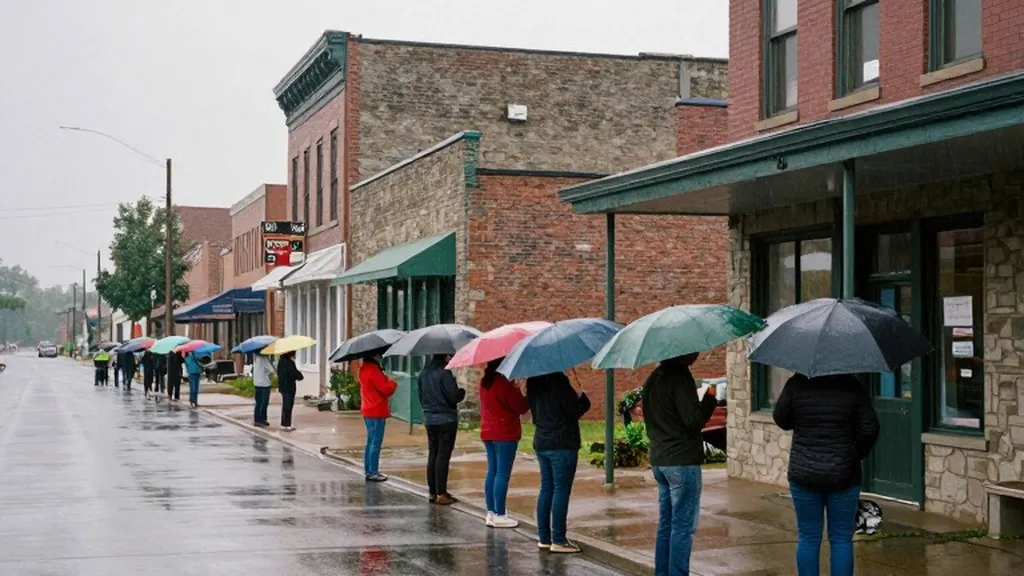
Resident of Cleveland, Parma, Lakewood, Euclid, Strongsville, and Cleveland Heights will cast their ballots today between 6:30 a.m. and 7:30 p.m. local time. According to Ballotpedia, these polling hours apply across the state, and anyone in line when the polls close is entitled to vote. Voters in Cuyahoga County are participating in a midterm election that determines who controls Congress for the final two years of President Donald Trump's second term. The Associated Press describes the day as a referendum on the administration's performance, with many voters citing high prices and an unpopular war with Iran as primary concerns.
On the Ohio ballot, a special election for the U.S. Senate is a major focus. This race is for the remainder of the term that Vice President JD Vance won in 2022. Republican incumbent Jon Husted faces Democratic former Senator Sherrod Brown. Ballotpedia notes that this is one of two special Senate elections occurring this year, the other being in Florida. The outcome will determine which party holds the seat until the next regular Senate cycle. Voters in Cuyahoga County are also selecting a new governor in an open seat, with Republican Vivek Ramaswamy and Democrat Amy Acton as the main contenders. According to the Associated Press, Ramaswamy's campaign recently faced public attention over an advertisement featuring Acton's estranged mother.
Beyond Ohio, voters are deciding the fate of 35 Senate seats nationwide. Ballotpedia reports that Democrats currently hold 45 seats and Republicans 53, with two independents caucusing with the Democrats. To gain a majority, Democrats need a net gain of four seats, while Republicans can afford to lose only two. The Associated Press and PBS NewsHour have identified several key matchups that could tip the balance of power in the chamber. These include races in North Carolina, Georgia, Michigan, Texas, Maine, New Hampshire, Minnesota, Kansas, and Alaska, alongside the Ohio special election.
In North Carolina, former Governor Roy Cooper, a Democrat, is challenging former Republican National Committee chair Michael Whatley for the seat vacated by retiring Senator Thom Tillis. Tillis stepped aside after a public disagreement with President Trump. In Georgia, Democratic Senator Jon Ossoff is running against Republican Representative Mike Collins. Ballotpedia indicates that Georgia voted for Trump by a margin of 2.2 percent in the 2024 presidential election. Race rating agencies have classified the contest as leaning or likely Democratic, reflecting the state's recent shift toward competitiveness in federal races.
The race in Michigan is also drawing significant attention, with Republican former Representative Mike Rogers facing Democrat Abdul El-Sayed for the seat left by retiring Senator Gary Peters. Ballotpedia notes that Michigan voted for Trump by a narrow margin of 1.4 percent in 2024. According to the Associated Press, El-Sayed's former primary opponent, Haley Stevens, endorsed Rogers on Sunday. In Texas, Republican Attorney General Ken Paxton is running against Democrat James Talarico. The Associated Press reports that President Trump backed Paxton over Senator John Cornyn in the primary, highlighting the administration's influence in the state's Republican primary process.
Maine presents a unique challenge for Republicans, as Senator Susan Collins faces Democratic former State Senate President Troy Jackson. Ballotpedia lists Maine as a state where Kamala Harris won by 6.9 percent in 2024. The Associated Press notes that economic strain and tariffs have made the state competitive, and all four major race rating organizations currently list the contest as a toss-up. In New Hampshire, Democrat Chris Pappas is competing against former Republican Senator John E. Sununu for the seat vacated by retiring Senator Jeanne Shaheen. Ballotpedia indicates that New Hampshire voted for Harris by a margin of 2.8 percent in the 2024 presidential race.
In Minnesota, Democratic Lieutenant Governor Peggy Flanagan and Republican Michele Tafoya are among four candidates vying for the seat left by retiring Senator Tina Smith. The Associated Press identifies Minnesota as a key battleground in the fight for Senate control. In Kansas, a state that has historically voted Republican, the race has become central to the national narrative. Ballotpedia notes that Kansas voted for Trump by a margin of 16.2 percent in 2024, yet the Associated Press reports that the state has become a focal point for Democrats seeking to flip seats. In Alaska, the race is complicated by a lawsuit filed by the Trump administration regarding the certification of the Senate result, according to the Associated Press.
The mood among voters is shaped by economic anxiety and a desire for change. The Associated Press reports that 35 percent of U.S. adults approve of President Trump's job performance, while about seven in ten say the country is heading in the wrong direction. More than 57 million people had already voted as of Monday, surpassing early vote totals from four years ago in many closely watched states. Republican National Committee Chairman Joe Gruters stated that everything depends on turnout, while Democratic Congressional Campaign Committee Chair Suzan DelBene said the American people are angry and want change. These sentiments are echoed by voters in Cuyahoga County who are weighing their choices amid rising costs for healthcare and daily necessities.
The financial scale of this election is expected to be a record, with the 2026 races likely to be the most expensive in history. The Associated Press analysis of AdImpact data shows that Republican committees outraised and outspent Democratic committees, largely due to contributions from Trump-affiliated groups and Elon Musk. However, at the candidate level, Democrats outraised their opponents. The Associated Press notes that 88.1 percent of Republican general election television ad spending went to states and districts that Trump won in 2024. This spending pattern underscores the Republican strategy to protect seats in areas where the president performed well, while Democrats focus on flipping competitive districts in states like Ohio and Michigan.