Cleveland voters weigh Senate special election and new governor
Polls in Cuyahoga County open at 6:30 a.m. and close at 7:30 p.m. as residents decide on a U.S. Senate seat, the governor's office, and a new congressional map.
By Olivia Reed ·
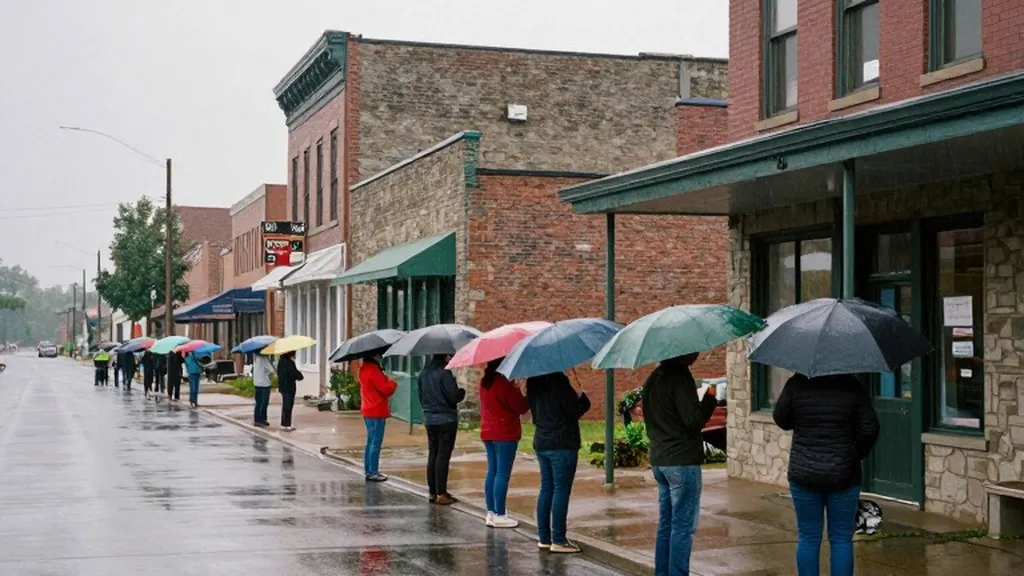
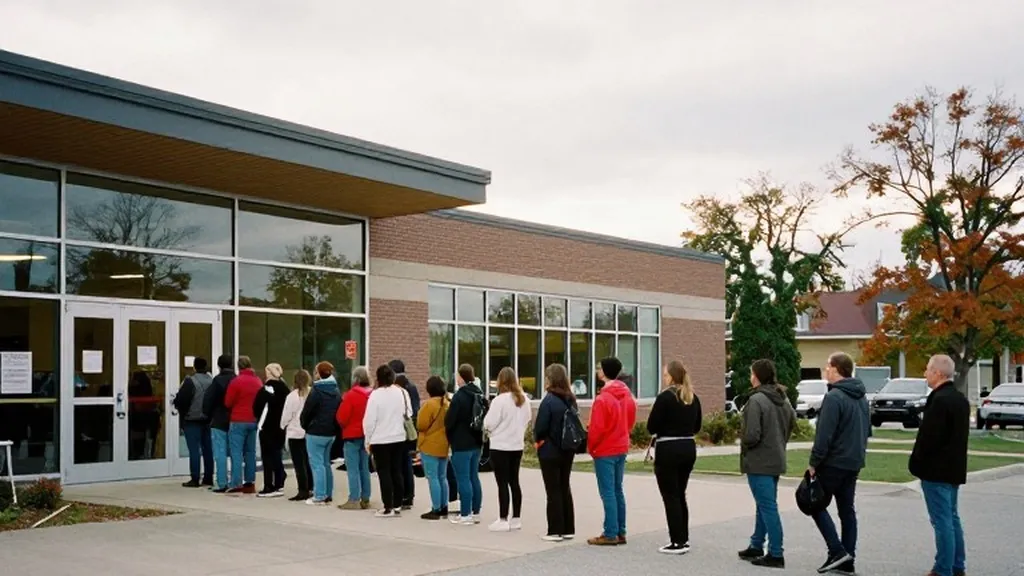
Voters in Cuyahoga County will head to the polls on Tuesday, November 3, 2026, for a general election that determines key state and federal offices. Polls in Ohio are open from 6:30 a.m. to 7:30 p.m., and anyone in line when polls close is entitled to vote according to Ballotpedia. Residents in Cleveland, Parma, Lakewood, Euclid, Strongsville, and Cleveland Heights will cast ballots for U.S. House representatives, the governor, and state court judges. The election takes place halfway through President Donald Trump's second term, with results deciding who controls Congress for his final two years.
The state is using a new congressional map for this election cycle, a change that affects all U.S. House seats in Ohio. Every U.S. House seat in the state is on the ballot, and the new districts are part of a broader redistricting effort in six other states including California, Florida, Missouri, North Carolina, Tennessee, and Texas. Voters will also decide on Issue 3, a ballot measure that would require photo identification to vote. State and local offices vary by county, but statewide races include the governor's office and the state supreme court.
A special election for the U.S. Senate is also on the Ohio ballot. This race is for the remainder of the term that Vice President JD Vance was elected to in 2022. According to Ballotpedia, Republican Senator Jon Husted is the incumbent in this special election. The Associated Press notes that the Democratic candidate is former Senator Sherrod Brown. The race is rated as a battleground, with Trump winning the state by 11.2 points in the 2024 presidential election. The winner will begin a partial term, while regular six-year terms for other senators begin on January 3, 2027.
Governor's office is another major contest in Ohio. This is an open seat with no incumbent running, as the current governor is term-limited or has chosen not to run. The candidates on the ballot include Republican Vivek Ramaswamy and Democrat Amy Acton. The Associated Press reports that Ramaswamy's campaign faced backlash over an advertisement featuring Acton's estranged mother. The race is considered competitive, and the outcome will add to the national tally of governorships, where Republicans currently hold a majority of offices nationwide.
Voters across the state are facing a ballot that includes state and local offices in addition to the federal and executive races. The state supreme court is up for election, as are intermediate appellate courts. Municipal government elections are also being held in various jurisdictions. The election administration has been impacted by federal legal challenges, with a judge temporarily barring the Trump administration from a plan to prevent noncitizen voting. Critics say this risks disenfranchising eligible voters, while the administration argues it is necessary to ensure election integrity.
Nationally, the election is viewed as a referendum on the president's performance. The Associated Press notes that 35 percent of U.S. adults approve of Trump's job performance, while about seven in 10 say the country is heading in the wrong direction. More than 57 million people had already voted as of Monday, surpassing the early vote of four years ago in many states. Republicans are bracing to lose the House but are fighting to hold the Senate, with Democrats needing a net gain of four seats to take a majority in the upper chamber.
The U.S. Senate race involves 35 seats in total, including 33 regular elections and two special elections. Republicans hold 53 seats and Democrats hold 45, plus two independents who caucus with Democrats. Eleven senators are not running again, including Joni Ernst of Iowa and Gary Peters of Michigan. The Associated Press highlights several key matchups, including Georgia, where Senator Jon Ossoff faces Republican Representative Mike Collins, and Michigan, where Republican former Representative Mike Rogers faces Democrat Abdul El-Sayed. In Alaska, the Trump administration filed a lawsuit related to the certification of the Senate result.
Governor races are also pivotal in 36 states. Democrats are defending five governorships in states that Trump won in 2024, including Kansas and Michigan. Republicans are defending two governorships in states that Kamala Harris won, including New Hampshire and Vermont. The Associated Press identifies Georgia, Nevada, and Ohio as competitive governor races. In Georgia, Republican health care executive Rick Jackson faces Democratic former Atlanta Mayor Keisha Lance Bottoms. In Nevada, Republican Governor Joe Lombardo faces Democratic Attorney General Aaron Ford.
The mood among voters is mixed, with many citing high prices and economic strain. The Associated Press reports that most voters blame the president for high prices. In North Carolina, voter James Moore said he is paying more for healthcare and taxes. In Florida, voter Mark Barker said he thinks the president is doing an awesome job. The Republican National Committee Chairman Joe Gruters stated that everything depends on turnout, while Democratic Congressional Campaign Committee Chair Suzan DelBene said the American people are angry and want change.
Election day logistics have been adjusted to ensure mail ballots are counted on time. The U.S. Postal Service added hours, staff, and special lines to process mail-in ballots. In California, a judge ordered the administration to stop demanding that election officials segregate ballots cast by people on lists of suspected noncitizens. The election is expected to be the most expensive in history, with Republican committees outspending Democratic committees at the committee level, though Democrats outraised their opponents at the candidate level. Wall Street is watching the results closely for signals on debt ceiling negotiations and investor confidence.