Cuyahoga voters: Polls open 6:30 a.m., ID rules and mail ballot logistics
A practical guide for Cuyahoga County residents on voting hours, identification requirements, and the U.S. Postal Service's efforts to count mail ballots on time.
By Olivia Reed ·
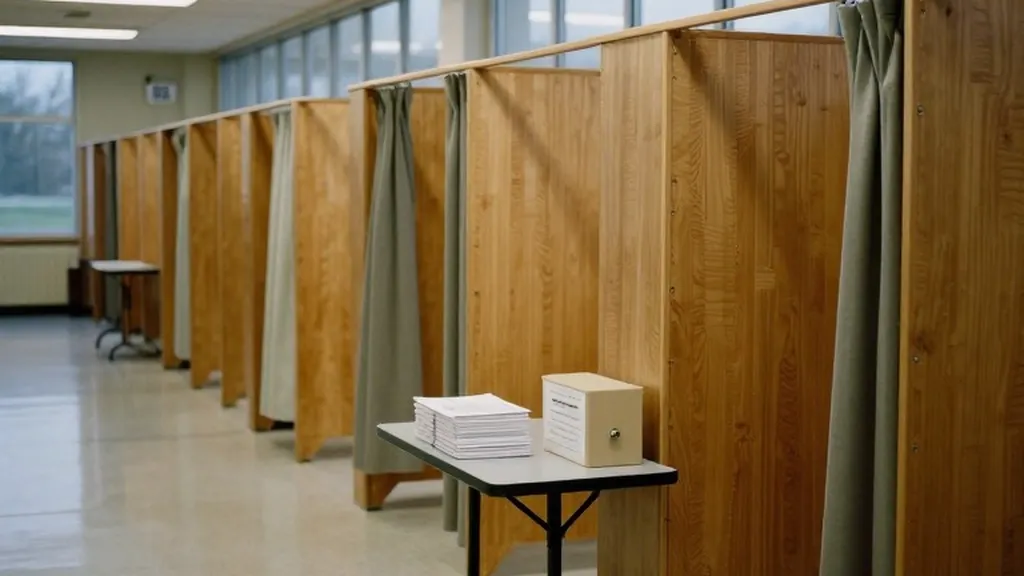
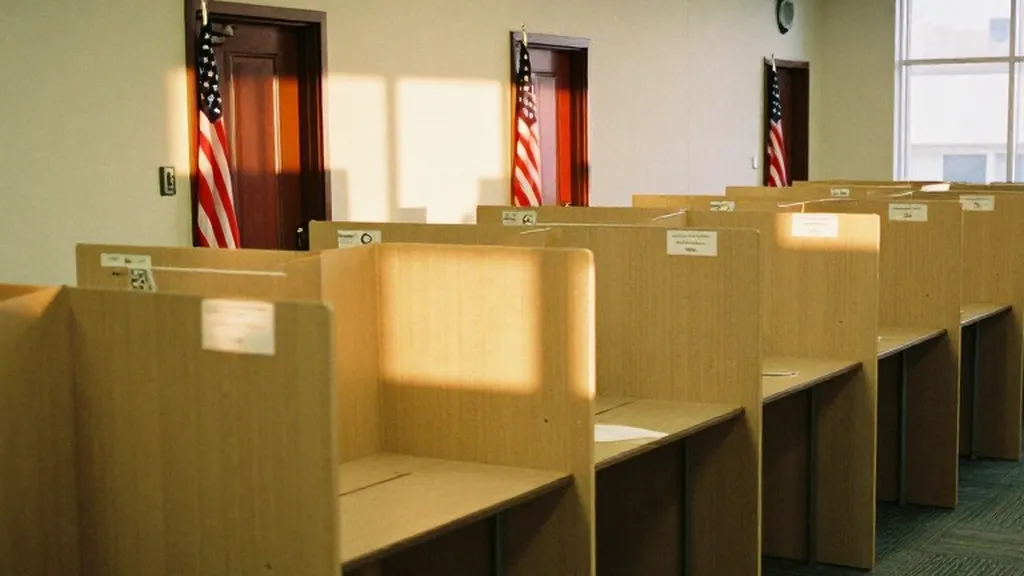
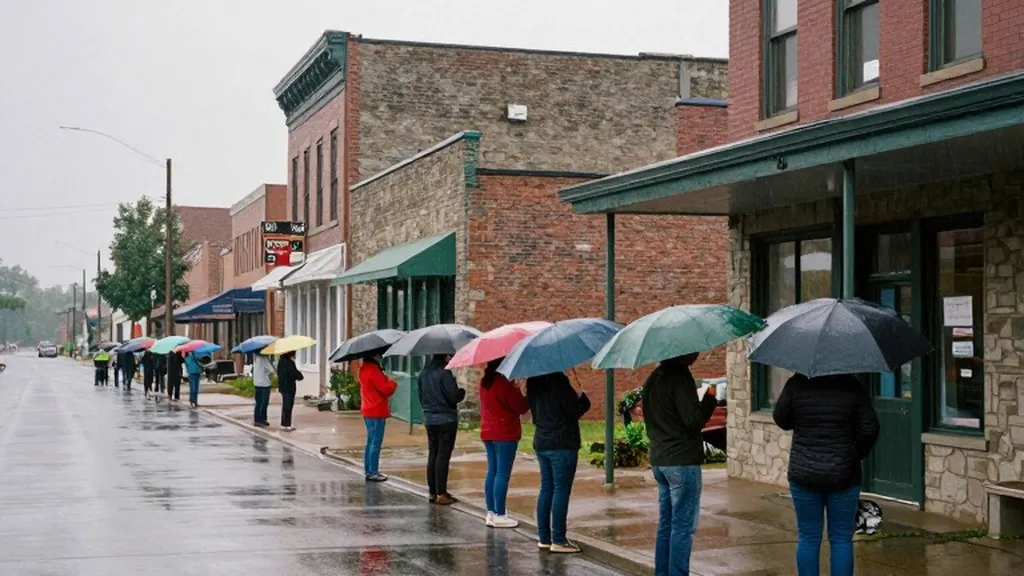
Polls across Cuyahoga County opened at 6:30 a.m. Tuesday, November 3, and will remain open until 7:30 p.m. local time. Residents in Cleveland, Parma, Lakewood, Euclid, Strongsville, and Cleveland Heights are casting ballots in a midterm election that determines control of Congress for the final two years of President Donald Trump's second term. According to Ballotpedia, the state is using a new congressional map for this cycle, which affects the boundaries for every U.S. House seat in Ohio. Voters are also deciding the next governor, an open seat with no incumbent running, as well as state and local offices that vary by county.
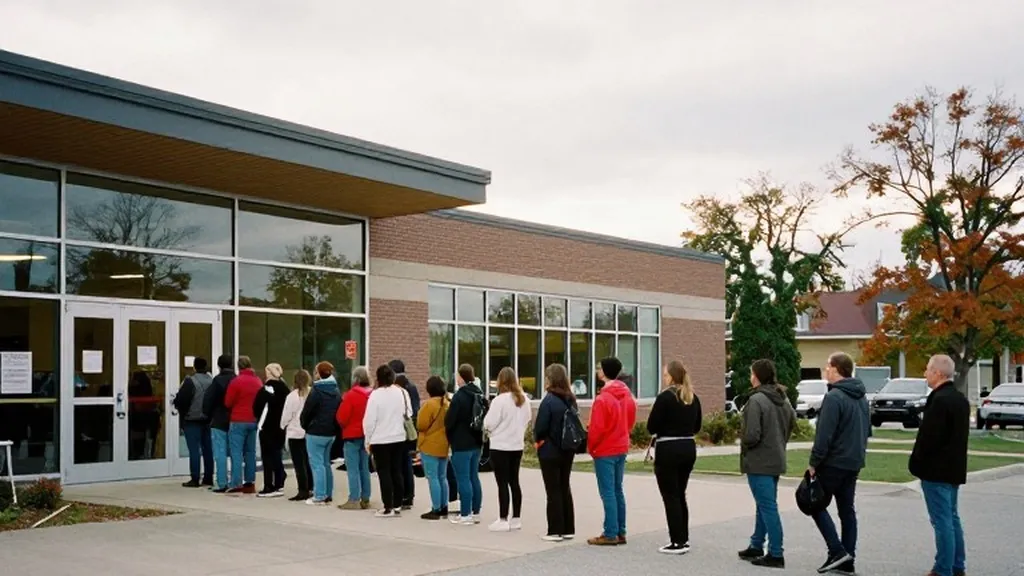
To locate a specific polling place, residents can use the federal portal vote.gov or contact their state election office. The platform serves as a central resource for finding the correct location and checking specific local instructions. In Ohio, identification rules vary by state law, so voters are advised to check their state's specific requirements before heading to the polls. The general rule for the day is that anyone in line when polls close at 7:30 p.m. is entitled to vote, a provision that often results in long lines in urban centers like Cleveland during the final hours of polling.
The U.S. Postal Service has implemented specific measures to ensure that mail ballots are counted on time. The agency added hours, staff, and special lines to process the high volume of ballots arriving on Election Day. This logistical effort is critical for states that rely heavily on mail voting, such as California, Colorado, Hawaii, Nevada, Oregon, Utah, Vermont, and Washington. For these states, the postal system's performance directly impacts the timeliness of results and the accuracy of the count.
Nationwide, more than 57 million people had already voted as of Monday, surpassing the early vote totals from four years ago in many closely watched states. The Associated Press describes the election as a referendum on the president's second term, with voters citing high prices and an unpopular war with Iran as key factors. Polling data from the AP-NORC survey indicates that 35 percent of U.S. adults approve of the president's job performance, while about seven in ten say the country is heading in the wrong direction. These sentiments are driving high turnout among early voters and those casting ballots in person today.
In the U.S. House race, all 435 seats are up for election. Republicans currently hold 218 seats, while Democrats hold 214, with one independent and several vacancies. Democrats need a net gain of three districts to secure a majority, whereas Republicans can lose no more than two seats to maintain control. Ballotpedia counts 46 battleground districts, including 25 held by Democrats and 21 held by Republicans. In the U.S. Senate, 35 seats are at stake, including 33 regular elections and two special elections for the remainder of the terms held by Marco Rubio of Florida and JD Vance of Ohio. The special election in Ohio is a key contest, pitting Democratic former Senator Sherrod Brown against Republican Senator Jon Husted.
The governor's race in Ohio is also a major focus, with Republican Vivek Ramaswamy facing Democrat Amy Acton. The Associated Press notes that Ramaswamy's campaign faced recent backlash over an advertisement featuring Acton's estranged mother. Nationwide, 36 governorships are on the ballot, and Democrats are seeking a net gain of two offices to achieve a majority, a feat they have not accomplished since 2010. Republicans currently hold 26 governor's offices, while Democrats hold 24. The outcome of these state races will influence the policy direction of each state in the coming years, particularly in swing states where the margin of victory in the presidential election was narrow.
Logistical challenges have emerged at the federal level regarding voter eligibility. A federal judge temporarily barred the Trump administration from carrying out a plan intended to prevent noncitizen voting, a move that critics say risks disenfranchising eligible voters. Additionally, a judge ordered the administration to stop demanding that California election officials segregate ballots cast by people on lists of suspected noncitizens. These legal maneuvers have created uncertainty for local election officials, who are preparing for potential disputes over the counting process. The Justice Department has threatened to prosecute local election officials, leading some Democrats to express concerns about interference and intimidation.
For voters in other states, poll hours vary significantly. In California, polls open at 7 a.m. and close at 8 p.m., with the state largely relying on mail ballots. In New York, polls open at 6 a.m. and close at 9 p.m., offering a longer window for voters. In Texas, polls are open from 7 a.m. to 7 p.m. Voters in states like Maine and Wisconsin have different schedules, with Maine opening at 6 a.m. and closing at 8 p.m., and Wisconsin following a similar 7 a.m. to 8 p.m. window. These variations require voters to plan their day accordingly, especially those who work during the day and must vote before or after their shift.
The financial aspect of the election is also notable, as the 2026 contests are likely to be the most expensive in history. Republican committees have outraised and outspent Democratic committees at the committee level, aided by Trump-affiliated groups and Elon Musk. However, at the candidate level, Democrats have outraised their opponents. Analysis of advertising data shows that 88.1 percent of Republican general election TV ad spending went to states and districts that Trump won in 2024. This heavy spending reflects the high stakes involved in retaining control of both chambers of Congress.