Supreme Court lets California keep 20,000 mail ballots in midterms
The high court declined a Trump administration request to set aside votes from suspected non-citizens, a decision finalized the day before the November 3 general election.
By Olivia Reed ·
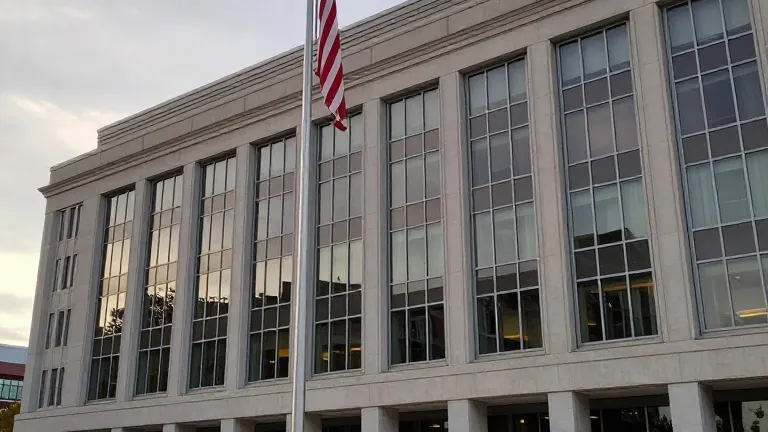
The U.S. Supreme Court on Monday denied a request from the Trump administration to remove approximately 20,000 mail-in ballots from California’s upcoming general election. The decision allows the state to proceed with counting all submitted votes without pausing to verify the citizenship status of the specific voters flagged by federal officials. The ruling comes one day before voters in Cuyahoga County and across the nation head to the polls or continue mail-in voting processes for the midterm elections.
The administration argued that the 20,000 individuals listed in the state’s voter roll were likely non-citizens. Federal officials requested that the high court order California to set those ballots aside until citizenship could be confirmed. State officials, including Attorney General Rob Bonta, opposed the move, arguing that the federal list contained numerous errors. Bonta described the appeal as an attempt to undermine the state’s election process.
The Supreme Court did not provide a detailed written explanation for its decision, a standard practice for emergency requests. In September, the Court had already rejected a broader Trump administration initiative to restrict mail-in voting nationwide. This Monday’s ruling marks the latest in a series of election-related legal battles occurring in the final days before the midterms, which will determine control of the U.S. Congress for the remaining two years of President Trump’s second term.
A lower federal judge had previously denied the Department of Justice’s initial request. Judge David O. Carter, a Clinton appointee, warned that setting aside the ballots would cause significant disruption to the election. He noted that if the executive branch could dismiss votes based on unverified accusations, the stability of the democratic process would be at risk. A panel of the U.S. Court of Appeals for the Ninth Circuit upheld Carter’s decision earlier this week in a 2-1 vote. Two judges, one appointed by Trump and one by former President Joe Biden, supported the ruling, while a third Trump-appointed judge dissented.
In Washington, another federal judge ruled against the administration’s final efforts to impose late requirements on California election officials. Judge James Boasberg wrote that the executive branch likely violated the Electoral Clause of the Constitution. That clause grants authority over election rules exclusively to the states and Congress. Boasberg’s ruling further limited the federal government’s ability to intervene in California’s specific election procedures.
Department of Justice officials have prioritized identifying non-citizen voters this year, despite the rarity of such cases. At a recent hearing, Judge Trina Thompson questioned the reliability of the federal data. She asked Kenneth Kao, a DOJ attorney, if he agreed there was a high rate of error in the records. Kao responded that the request for help from state registrars was intended to verify the validity of the voters.
Bill Essayli, the U.S. Attorney for the Central District of California, defended the administration’s position at a press conference. He stated that he was confident the people on the list did not have the right to vote. Essayli insisted the effort was not speculative, though he later acknowledged that errors might exist in the list.
Voting in California began in early October. The state sent mail ballots to approximately 23 million registered voters. Election officials have already processed hundreds of thousands of these ballots. State leaders stated that finding and isolating the specific 20,000 disputed ballots at this late stage would be logistically impossible. The Department of Justice sought early intervention from the appellate court to speed up the case but was unsuccessful.
The administration framed its request as a modest measure to ensure that only legal votes were counted. However, the series of court losses has drawn criticism for the timing of the legal challenges. Critics note that the administration submitted its demands to California election officials only weeks before the election. The DOJ admitted the list it provided was not entirely reliable, a fact that weighed on the lower court decisions.
Source: WQHS-DT · original report published
More Politics · Cleveland news · Report a business · Got a Story?