Cuyahoga County Board of Elections Details Vote Counting Process
Staff at the Cleveland warehouse use sealed memory sticks and bipartisan oversight to tally ballots for the governor and U.S. Senate races.
By Daniel Parker ·
Staff at the Cuyahoga County Board of Elections warehouse in Cleveland will tally hundreds of thousands of votes for Ohio’s gubernatorial and U.S. Senate races after polls close on Tuesday night. The board recently opened its facility to demonstrate how paper ballots are converted into official vote totals.
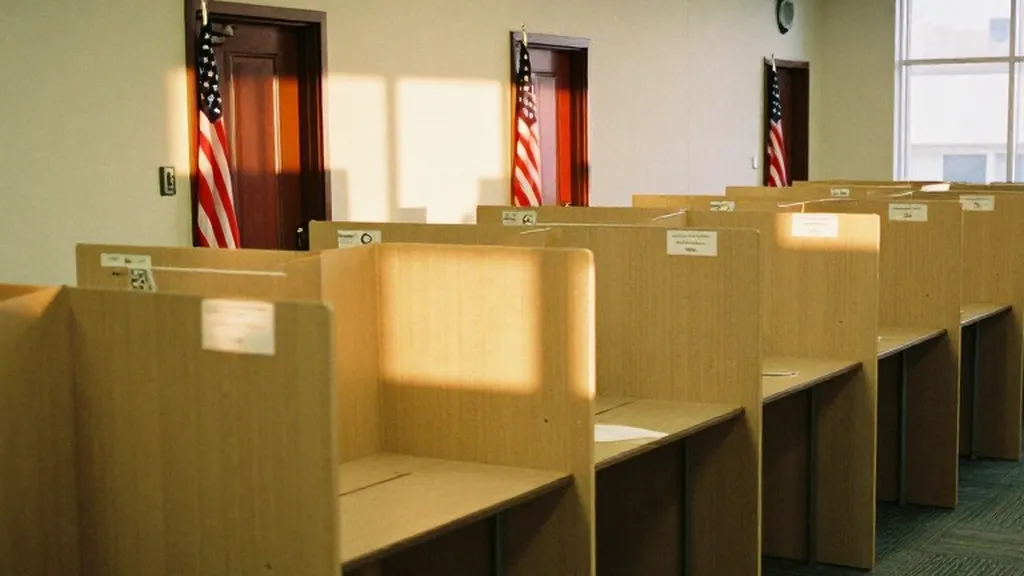
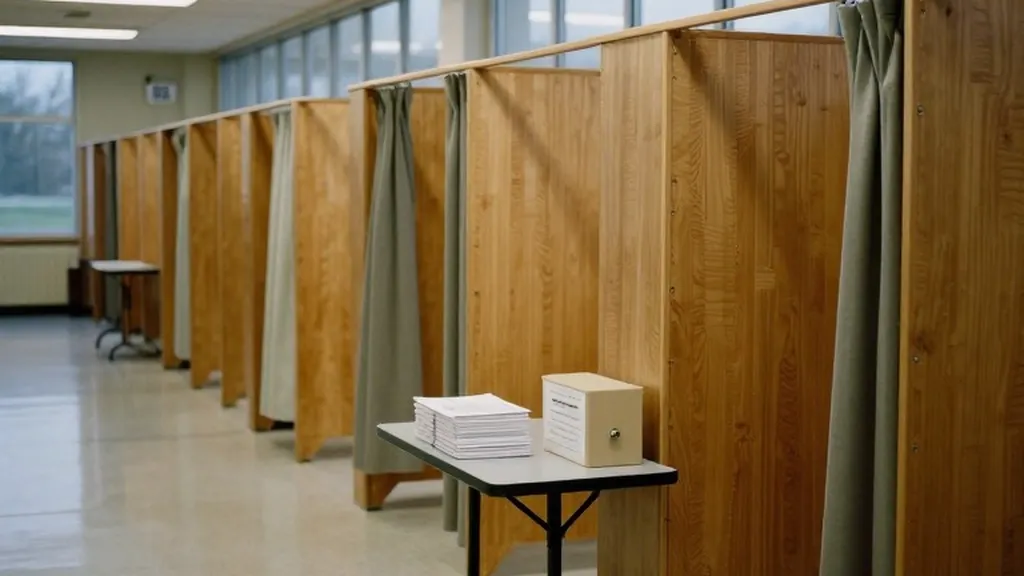
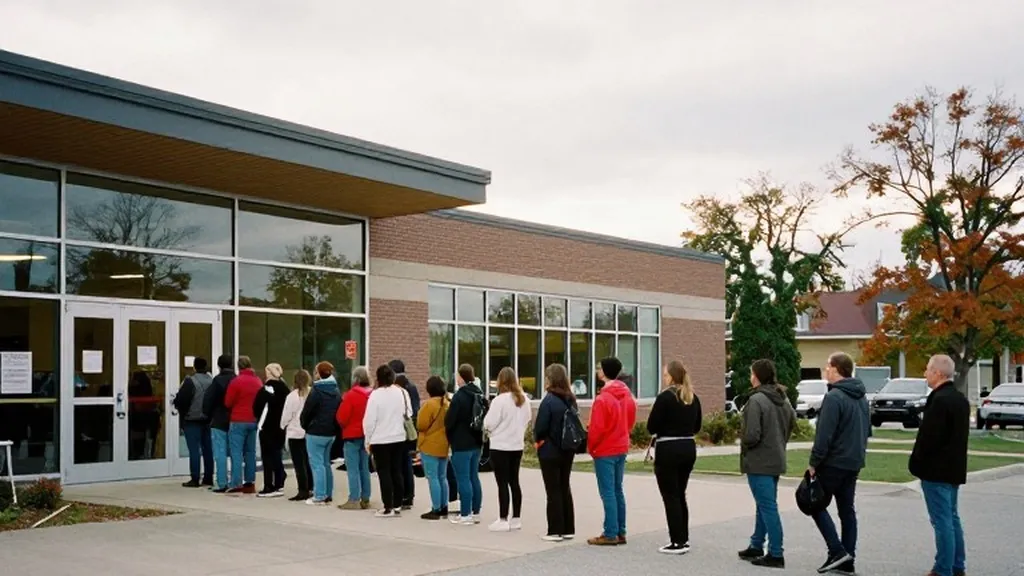
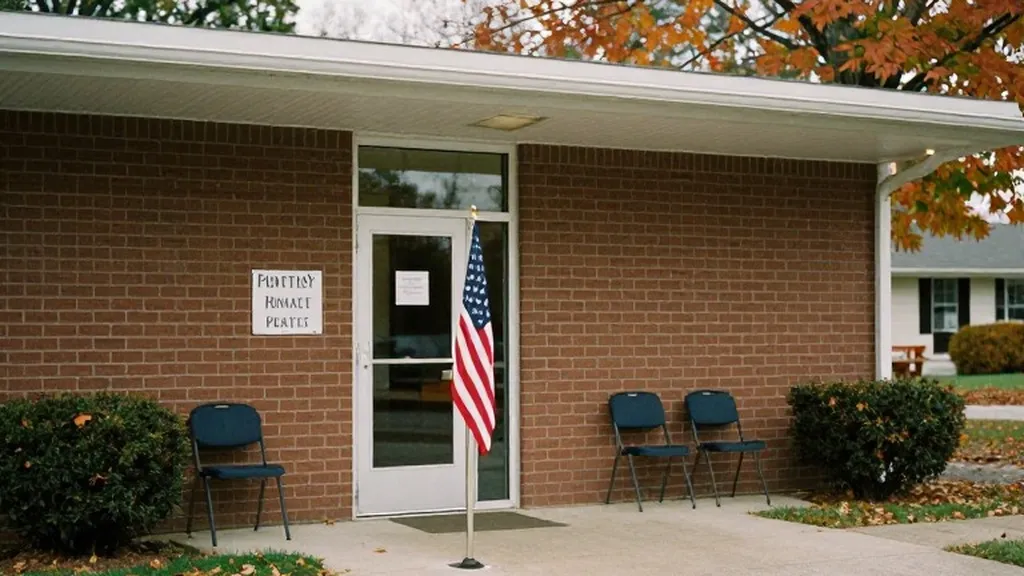
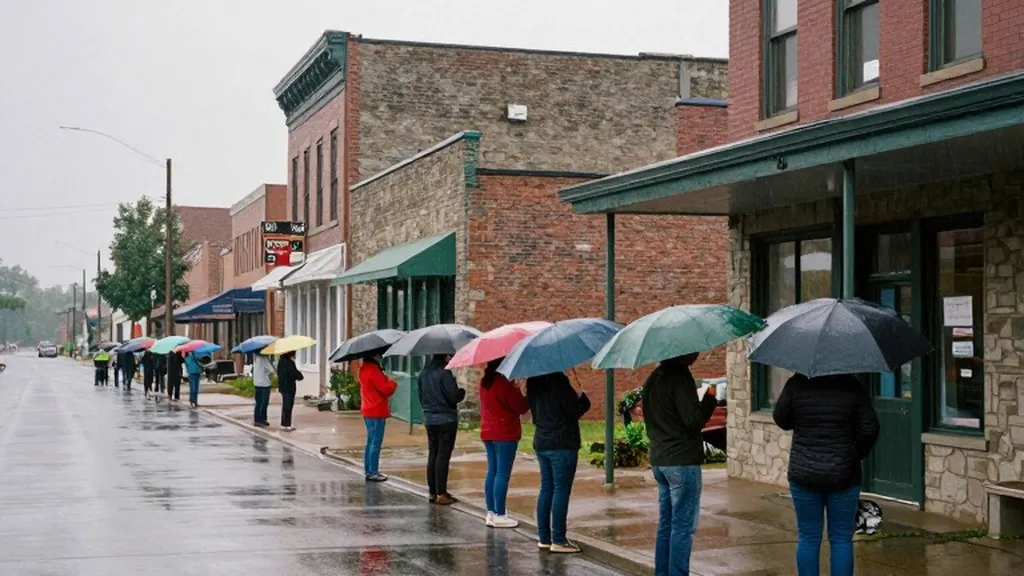
Voters cast their choices on paper ballots at local polling places. On Election Day, poll workers feed these completed ballots into scanning machines that save vote data and images onto memory sticks. At the end of the night, workers zip and seal these sticks into pouches. Each scanner also retains a second memory stick as a backup, creating what Deputy Director Tony Kaloger calls a permanent record of the votes cast.
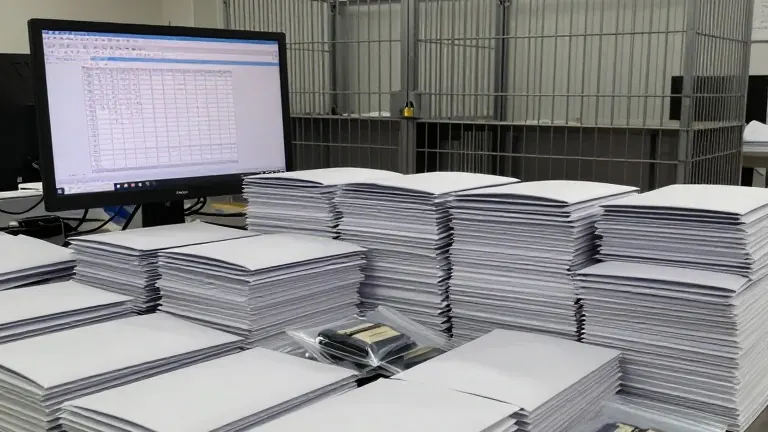
Van drivers transport the sealed memory sticks, paper ballots, and equipment from polling places to a drop-off location before moving them to the central warehouse. At the warehouse, bipartisan teams of workers handle the supplies. The paper ballots are stored in a cage secured by two locks, one controlled by Democratic staffers and the other by Republicans. A sheriff’s deputy remains on site, and cameras monitor the cage continuously.
Access to the tabulation room requires key cards from both Democratic and Republican staff. Inside, workers scan bar codes on the memory stick pouches to verify that all data is accounted for. The board uploads the results to a tabulation server that is not connected to the internet. Kaloger noted that the computers are physically isolated from the web, preventing hackers from accessing the system directly.
To share results with the public, staff transfer data to an internet-connected computer every half hour using fresh memory sticks provided by the Ohio Secretary of State’s Office. The board discards each stick after use to prevent malware from entering the main system. Workers also compare the number of tabulated ballots against the electronic poll books, which track voter check-ins. If the numbers do not match, staff may rescan the paper ballots for that precinct, according to Brian Cleary, who manages the ballot services division.
Mail-in and early-in-person votes are scanned as they arrive but are not added to the total until after 7:30 p.m. on Election Night. Kaloger compared the process to entering numbers into a calculator and waiting until the deadline to press equals. Early votes typically appear as the first results posted online once the polls close.
The board uses paper ballots for any recounts, which Ohio law requires if a candidate wins by half a percentage point or less in local races or 0.25% in statewide contests. The board also conducts post-election audits by recounting a random sample of votes. The official canvass, which includes verified provisional ballots, must be completed by Nov. 24. First vans are expected to arrive at the warehouse around 9:00 p.m. or 9:30 p.m. on Election Night.
Source: Signal Cleveland · original report published
More Politics · Cleveland news · Report a business · Got a Story?